

Platelet-Rich Plasma (PRP) Treatment for Hand, Wrist, and Elbow Injuries in Raleigh, NC
Understanding PRP Therapy for Upper Extremity Injuries
Platelet-rich plasma (PRP) therapy has emerged as a regenerative treatment option for various hand, wrist, and elbow conditions. This autologous blood product contains concentrated platelets that release growth factors to potentially promote tissue healing and reduce inflammation.
What is PRP Treatment?
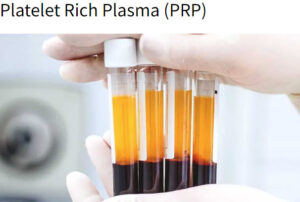
PRP is produced by centrifuging a patient’s own blood to isolate and concentrate platelets. The platelet-rich fraction contains growth factors including vascular endothelial growth factor (VEGF), platelet-derived growth factor (PDGF), epidermal growth factor (EGF), and transforming growth factor-beta (TGF-β). These bioactive molecules may modulate inflammation and support tissue repair when injected into injured tendons, ligaments, or joints.
PRP for Elbow Conditions
Lateral Epicondylitis (Tennis Elbow)
Lateral epicondylitis is one of the most studied conditions for PRP therapy. Current evidence shows mixed results:
Long-term Benefits: Studies demonstrate that PRP may provide superior pain relief and functional improvement compared to corticosteroid injections at 6 months and beyond. Patients receiving PRP show better long-term outcomes in pain scores and disability measures.
Short-term Considerations: Corticosteroids typically provide faster initial relief within the first 2 months, while PRP may take longer to demonstrate clinical benefits.
Treatment Protocol: Leukocyte-rich PRP (LR-PRP) preparations administered under ultrasound guidance appear most effective. Single injections are typically used, though protocols vary.
Medial Epicondylitis (Golfer’s Elbow)
While less studied than lateral epicondylitis, PRP may offer similar regenerative potential for medial elbow tendinopathy, particularly in chronic cases resistant to conservative management.
PRP for Wrist Conditions
Wrist Osteoarthritis
Emerging research suggests PRP combined with microfat injections may reduce pain and improve function in wrist osteoarthritis. This represents a minimally invasive option before considering surgical interventions.
Wrist Ligament Injuries
Limited high-quality evidence exists specifically for wrist ligament injuries. PRP’s theoretical benefits for ligament healing remain under investigation, with most current evidence derived from studies on other joints.
PRP for Hand Conditions
Trigger Finger (Stenosing Tenosynovitis)
Research on PRP for trigger finger is limited but growing. Clinical trials are investigating whether PRP can provide comparable or superior outcomes to corticosteroid injections for this common condition.
Chronic Tenosynovitis
Recent evidence shows PRP injections significantly outperform saline for chronic tenosynovitis, with improvements in pain, function, and tendon sheath thickness at 3-month follow-up. Growth factor release follows specific temporal patterns that may optimize healing.
Hand Tendinopathies
For chronic tendon conditions in the hand, PRP may reduce pain and improve function, particularly in patients who have not responded to first-line conservative treatments including physical therapy and activity modification.
Treatment Considerations in Raleigh, NC
PRP Preparation Methods
Different PRP formulations exist:
– Leukocyte-rich PRP (LR-PRP): Contains white blood cells; may provide stronger effects for tendinopathy
– Leukocyte-poor PRP (LP-PRP): Filtered to remove white blood cells; associated with fewer temporary side effects
Platelet concentrations typically range from 3-5 times baseline levels, with optimal concentrations still under investigation.
Expected Timeline
– Weeks 1-4: Minimal improvement; possible temporary increase in pain
– Months 2-3: Gradual symptom improvement begins
– Months 6-12: Maximum benefit typically observed
Safety Profile
PRP demonstrates a favorable safety profile with minimal serious adverse events. Common side effects include:
– Temporary pain at injection site (most common)
– Mild swelling
– Bruising
– Very low risk of infection (autologous product)
Who May Benefit from PRP?
Ideal candidates include patients with:
– Chronic tendinopathy lasting more than 3-6 months
– Failed conservative treatment (physical therapy, activity modification, NSAIDs)
– Desire to avoid or delay surgery
– Contraindications to corticosteroid injections
Current Limitations
Despite growing use, important limitations exist:
– Lack of standardized preparation protocols
– Variable platelet concentrations across studies
– Inconsistent evidence for some conditions
– Higher cost compared to traditional injections
– Not typically covered by insurance
– Optimal dosing and frequency remain unclear
Alternative and Complementary Treatments
PRP should be considered within a comprehensive treatment plan that may include:
– Physical therapy and targeted exercises
– Activity modification and ergonomic adjustments
– Bracing or splinting
– Extracorporeal shockwave therapy (ESWT)
– Corticosteroid injections (for short-term relief)
– Surgical intervention (when conservative measures fail)
The Bottom Line
PRP therapy represents a regenerative treatment option for select hand, wrist, and elbow conditions, particularly chronic tendinopathies that have not responded to conservative care. Evidence is strongest for long-term benefits in lateral epicondylitis and chronic tendinopathy. Patients should have realistic expectations about the timeline for improvement and understand that results may vary. The decision to pursue PRP should involve shared decision-making between patient and physician, considering individual circumstances, treatment goals, and available alternatives.
Why Choose Dr. Chambers for Hand to Elbow Care
At Raleigh Orthopaedic Clinic, Dr. Stephen Chambers specializes in hand and upper extremity surgery. With years of expertise in treating hand and elbow injuries, including Hand, Wrist and Elbow Injury Treatment.Dr. Chambers provides comprehensive care—ranging from at home treatments and injections to advanced hand surgery when needed. Patients trust Dr. Chambers and his team for personalized care, effective treatment options, and excellent outcomes and describe Dr. Chambers as a caring, attentive, and skilled surgeon with excellent bedside manner. His amazing team ensures every patient feels supported and informed throughout the process.
If you are experiencing wrist pain, swelling, or difficulty with wrist movements, don’t wait for symptoms to worsen. Schedule an Appointment with Dr. Chambers today to Hand, Wrist and Elbow Injury Treatment. and get back to normal use of your hand . Experience the benefit of specialized hand care close to home at Raleigh Orthopaedics in Raleigh, Cary, Holly Springs, and Wake Forest, North Carolina.