
Elbow Arthritis Treatment in Raleigh, NC
What is Elbow Arthritis?
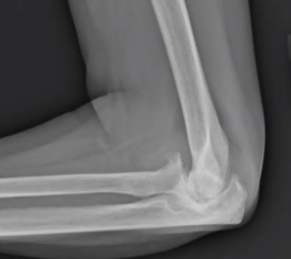
Elbow arthritis is an uncommon but debilitating condition that causes pain, stiffness, and reduced function in the elbow joint. Unlike arthritis in other joints, elbow arthritis often preserves joint cartilage while developing hypertrophic osteophytes (bone spurs) and capsular contracture. The condition primarily affects middle-aged men engaged in heavy manual labor or athletic activities.
Types of Elbow Arthritis
The most common forms include:
– Primary Osteoarthritis: Degenerative changes without prior injury, characterized by relatively preserved joint space
– Post-traumatic Arthritis: Develops following elbow injuries or fractures
– Rheumatoid Arthritis: Inflammatory arthritis affecting the elbow joint
– Secondary Osteoarthritis: Related to other underlying conditions
Symptoms of Elbow Arthritis
Common symptoms include:
– Pain with elbow movement, especially at end ranges of motion
– Stiffness and loss of range of motion (particularly extension)
– Mechanical symptoms such as catching or locking
– Weakness in the affected arm
– Swelling around the elbow joint
– Difficulty with daily activities requiring elbow movement
Diagnosis
Diagnosis involves:
– Physical Examination: Assessment of range of motion, pain, stability, and strength
– Imaging Studies:
– X-rays to evaluate joint space, osteophytes, and bone changes
– CT arthrography for detailed assessment of cartilage and bone
– MRI when soft tissue evaluation is needed
Conservative Treatment Options
Treatment begins with non-surgical approaches, which provide symptomatic relief for most patients in early stages:
Activity Modification
– Avoiding high-force activities and repetitive motions
– Ergonomic adjustments at work
– Modified work duties to reduce elbow stress
Medications
– NSAIDs (Non-Steroidal Anti-Inflammatory Drugs): Both oral and topical formulations show moderate efficacy for pain relief
– Acetaminophen: Alternative for patients with NSAID contraindications
– Corticosteroid Injections: Provide pain relief averaging 12.5 weeks, with 80% of patients experiencing some degree of improvement
Physical Therapy
– Hand therapy and prescribed exercises
– Range of motion exercises
– Strengthening programs
– Manual therapy techniques
– Continuous passive motion (CPM) devices for post-surgical rehabilitation
Supportive Devices
– Elbow straps and bands
– Wrist braces for adjunctive support in severe cases
Surgical Treatment Options
When conservative management fails, surgical intervention may be considered. The choice depends on disease severity, patient age, functional demands, and underlying etiology.
Arthroscopic Debridement
Arthroscopic treatment has become the primary surgical option for primary elbow osteoarthritis, particularly in younger, active patients.
Procedure includes:
– Removal of motion-limiting osteophytes
– Capsular release (anterior and posterior)
– Clearing of coronoid and olecranon fossae
– Foreign body extraction
– Lateral ramp release (improves outcomes)
– Optional ulnar nerve release or radial head excision
Outcomes:
– 93.5% patient satisfaction at 6 months
– Significant improvement in Mayo Elbow Performance Score (average increase of 26.6 points)
– Range of motion improvement averaging 23°
– Pain reduction from average 6.4/10 to 1.7/10
– Low complication rate (5.5%)
– Minimal invasive approach with faster recovery
Best Candidates:
– Patients with foreign bodies in the joint
– Minimal cartilage wear in the humeroulnar compartment
– Primary osteoarthritis without severe joint destruction
Open Debridement (Osteocapsular Debridement)
Open surgical approach may be preferred in certain cases.
Outcomes:
– Mayo Elbow Performance Score improvement of 28.6 points
– Flexion improvement of 19°
– Extension improvement of 11°
– Complication rate of 11.5%
Total Elbow Arthroplasty (TEA)
Reserved for elderly, low-demand patients with end-stage arthritis when other treatments have failed.
Considerations:
– Requires activity restrictions to protect the implant
– Better suited for rheumatoid arthritis than primary osteoarthritis
– Long-term survivorship: 92% at 10 years, 83% at 15 years, 68% at 20 years
– Higher revision rates in osteoarthritis (1.86 per 100 component-years) compared to fracture (0.40) or rheumatoid arthritis (0.98)
– Mean Mayo Elbow Performance Score of 79-90 points
– Complications include aseptic loosening (12.9%), infection (3.3%), and dislocation (4.2%)
Treatment Selection Guide
Conservative Management First-Line For:
– Early-stage disease
– Mild to moderate symptoms
– Patients willing to modify activities
Arthroscopic Debridement Indicated For:
– Young, active patients
– Primary osteoarthritis with preserved cartilage
– Failed conservative treatment
– Desire to maintain high activity levels
Open Debridement Considered For:
– Complex cases requiring extensive osteophyte removal
– Concurrent procedures needed
– Surgeon preference and experience
Total Elbow Arthroplasty Reserved For:
– Elderly patients (typically >65 years)
– Low functional demands
– End-stage arthritis with severe cartilage loss
– Failed previous surgical interventions
– Rheumatoid arthritis with severe joint destruction
Prognosis and Recovery
Non-Surgical Treatment:
– Provides symptom relief in majority of early-stage patients
– May require ongoing management
– Corticosteroid injections offer temporary relief (average 12.5 weeks)
Arthroscopic Surgery:
– Return to activities typically within 3-6 months
– Excellent pain relief and functional improvement
– Durable results with low reoperation rates (4.2%)
– 93.5% patient satisfaction
Total Elbow Arthroplasty:
– Permanent activity restrictions (no lifting >5-10 pounds)
– Good pain relief and functional improvement
– Requires long-term monitoring for complications
Prevention and Risk Reduction
– Avoid repetitive high-force elbow activities when possible
– Use proper ergonomics during work and sports
– Maintain elbow strength and flexibility
– Seek early treatment for elbow injuries
– Modify activities that cause persistent elbow pain
Conclusion
Elbow arthritis treatment has advanced significantly with improvements in arthroscopic techniques and implant design. Most patients achieve excellent outcomes with conservative management or minimally invasive arthroscopic procedures. The key to successful treatment is early diagnosis, appropriate conservative management, and timely surgical intervention when indicated. Treatment should be individualized based on patient age, activity level, disease severity, and functional goals.
Why Choose Dr. Chambers for Hand and Wrist Care
At Raleigh Orthopaedic Clinic, Dr. Stephen Chambers specializes in hand and upper extremity surgery. With years of expertise in treating hand and wrist injuries, including Elbow Arthritis, Dr. Chambers provides comprehensive care—ranging from at home treatments and injections to advanced hand surgery when needed. Patients trust Dr. Chambers and his team for personalized care, effective treatment options, and excellent outcomes and describe Dr. Chambers as a caring, attentive, and skilled surgeon with excellent bedside manner. His amazing team ensures every patient feels supported and informed throughout the process.
If you are experiencing finger pain, swelling, or difficulty with wrist movements, don’t wait for symptoms to worsen. Schedule an Appointment with Dr. Chambers today Elbow Arthritis and get back to normal use of your hand . Experience the benefit of specialized hand care close to home at Raleigh Orthopaedics in Raleigh, Cary, Holly Springs, and Wake Forest, North Carolina.