

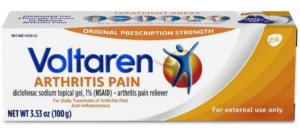
Topical Pain Medications for Hand & Wrist Pain
Topical pain medications applied directly to the skin deliver anti-inflammatory effects where you need them most — with far fewer systemic side effects than oral NSAIDs.
Why Use Topical Medications?
Oral NSAIDs (ibuprofen, naproxen) are effective for musculoskeletal pain but cause gastrointestinal side effects — particularly with long-term use. Topical NSAIDs deliver the active medication directly through the skin to the target tissue, achieving therapeutic concentrations locally with only 5–10% of the systemic absorption of oral medications. The result: similar pain relief with dramatically fewer GI side effects.
Topical Diclofenac (Voltaren Gel)
Diclofenac gel (Voltaren 1%) is an over-the-counter topical NSAID with the strongest evidence base for musculoskeletal pain. FDA-approved for osteoarthritis of the hands and knees. Widely used for wrist and finger arthritis, thumb CMC arthritis, and upper extremity tendinopathies.
How to Use Voltaren Gel
- Apply 2–4g (one dose card included in the packaging) to the affected area 4 times daily
- Rub in gently until absorbed
- Wash hands after application (unless treating the hands — wait 30 min before washing)
- Do not apply to broken skin, wounds, or irritated areas
- Allow to dry before covering with clothing
- Use consistently for 2–4 weeks to assess the full benefit
ⓘ Voltaren for thumb arthritis: Applied to the base of the thumb and thumb side of the wrist 4 times daily, topical diclofenac is one of the most effective non-surgical treatments for thumb CMC arthritis — with very few side effects compared to oral NSAIDs.
Lidocaine Patches (Lidoderm)
Topical lidocaine patches deliver local anesthetic through the skin. Particularly useful for nerve-related pain (neuritis, CRPS, post-herpetic neuralgia affecting the hand). Applied directly over the painful area for 12 hours on / 12 hours off. Available by prescription.
Compounded Topical Creams
Compounding pharmacies can create custom topical creams combining multiple active ingredients — for example, diclofenac + ketamine + gabapentin for neuropathic pain, or diclofenac + lidocaine for arthritis with a nerve component. Dr. Chambers may prescribe a compounded cream for chronic pain conditions not responding adequately to standard treatments. Typically not covered by insurance but may be covered by FSA/HSA.
Comparison of Topical Options
| Product | Active Ingredient | Best For | OTC/Rx |
|---|---|---|---|
| Voltaren 1% gel | Diclofenac | Arthritis, tendinopathy | OTC — FSA/HSA eligible |
| Flector Patch | Diclofenac epolamine | Acute strains | Prescription |
| Lidoderm Patch | Lidocaine 5% | Nerve pain, CRPS | Prescription |
| Compounded cream | Multiple ingredients | Refractory/complex pain | Prescription compound |
Precautions
- Do not use if allergic to aspirin or oral NSAIDs
- Avoid in the third trimester of pregnancy
- Do not apply to open wounds or irritated skin
- Keep away from eyes — wash hands after application
- Do not use topical and oral NSAIDs simultaneously without guidance from Dr. Chambers
Frequently Asked Questions
For localized joint pain (hand arthritis, wrist OA), topical diclofenac achieves similar pain relief to oral ibuprofen for most patients — with significantly fewer GI side effects. For widespread or systemic inflammation (rheumatoid arthritis flares affecting multiple joints), oral medications are generally more appropriate.
Using both simultaneously doubles the NSAID load and should be avoided without guidance from Dr. Chambers. The main advantage of topical therapy is reduced systemic NSAID exposure — using both together partially negates this benefit and increases GI risk.
Some patients notice improvement within a few days; others need 2–4 weeks of consistent 4-times-daily application to see the full benefit. Use it consistently for at least 3–4 weeks before concluding it is not working. Many patients significantly underuse topical gel by applying it only when symptomatic rather than maintaining a consistent therapeutic level.
Related Conditions & Resources
Questions About Pain Management Options?
Dr. Chambers will recommend the best approach for your condition. No referral needed.

Stephen Chambers, M.D.
Dual Board-Certified Hand & Upper Extremity Surgeon · Raleigh Orthopaedic