

Kienbock Diseases Treatment in Raleigh, NC
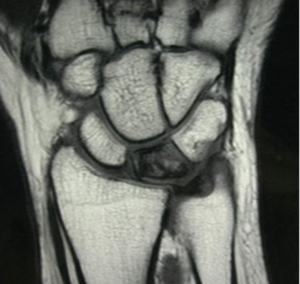
Kienböck’s disease is a condition that affects the lunate bone in the wrist. It is a type of osteonecrosis, which is a condition in which there is a loss of blood flow to a bone, leading to bone death. Kienböck’s disease is a relatively uncommon condition, but it can have a significant impact on a person’s quality of life, as it can cause pain, weakness, and instability in the wrist.
Causes of Kienböck’s disease
The exact cause of Kienböck’s disease is not known, but there are several factors that may increase the risk of developing the condition, including:
• Trauma: A traumatic injury to the wrist, such as a fracture, can increase the risk of Kienböck’s disease.
• Repetitive motion: Repetitive motions, such as those involved in certain sports or manual labor, can increase the risk of Kienböck’s disease.
• Blood flow issues: Conditions that affect blood flow to the wrist, such as arthritis or a vasculitis, can increase the risk of Kienböck’s disease.
• Genetics: Some people may have a genetic predisposition to Kienböck’s disease.
Symptoms of Kienböck’s disease
The symptoms of Kienböck’s disease can vary, but may include:
• Pain in the wrist, which may be constant or intermittent
• Weakness or instability in the wrist
• Stiffness in the wrist
• Decreased range of motion in the wrist
• Swelling in the wrist
Diagnosis of Kienböck’s disease may involve a combination of the following tests:
• Physical exam: A doctor may perform a physical exam to assess the wrist for signs of Kienböck’s disease, such as tenderness or swelling.
• X-rays: X-rays may be used to assess the condition of the lunate bone and to check for any changes that may indicate Kienböck’s disease.
• MRI: An MRI may be used to further assess the condition of the lunate bone and to check for any other underlying conditions that may be contributing to the symptoms.
Treatment
Treatment for Kienböck’s disease depends on the severity of the condition and the extent of bone damage. Treatment options may include:
• Non-surgical treatment: Non-surgical treatment options may include rest, immobilization, and physical therapy. Anti-inflammatory medications may also be prescribed to help manage pain and swelling.
• Surgical treatment: Surgical treatment may be necessary in more severe cases of Kienböck’s disease. Surgical options may include bone grafting, wrist joint replacement, or fusion of the wrist bones.
Kienböck’s disease is a condition that affects the lunate bone in the wrist. It is a type of osteonecrosis that can cause pain, weakness, and instability in the wrist. Treatment for Kienböck’s disease depends on the severity of the condition and may include non-surgical options, such as rest and physical therapy, or surgical options, such as wrist joint replacement. If you experience symptoms of Kienböck’s disease, it is important to seek medical attention as soon as possible to receive an accurate diagnosis and to begin appropriate treatment.
Why Choose Dr. Chambers for Hand and Wrist Care
At Raleigh Orthopaedic Clinic, Dr. Stephen Chambers specializes in hand and upper extremity surgery. With years of expertise in treating hand and wrist injuries, including Kienbock Disease Treatment. Dr. Chambers provides comprehensive care—ranging from at home treatments and injections to advanced hand surgery when needed. Patients trust Dr. Chambers and his team for personalized care, effective treatment options, and excellent outcomes and describe Dr. Chambers as a caring, attentive, and skilled surgeon with excellent bedside manner. His amazing team ensures every patient feels supported and informed throughout the process.
If you are experiencing wrist pain, swelling, or difficulty with wrist movements, don’t wait for symptoms to worsen. Schedule an Appointment with Dr. Chambers today to Kienbock Disease Treatment. and get back to normal use of your hand . Experience the benefit of specialized hand care close to home at Raleigh Orthopaedics in Raleigh, Cary, Holly Springs, and Wake Forest, North Carolina.