

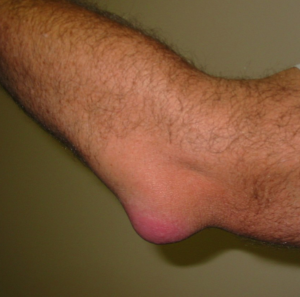
Treatment for Gout in the Hand, Wrist and Elbow in Raleigh,NC
Understanding Gout in the Hand, Wrist and Elbow
Gout is a painful inflammatory arthritis caused by the buildup of monosodium urate crystals in joints. While gout most commonly affects the big toe, it frequently occurs in the hands and wrists, causing severe pain, swelling, redness, and limited mobility. Effective treatment involves both managing acute flare-ups and preventing future episodes through long-term urate-lowering therapy.
Acute Gout Flare Treatment: Immediate Relief Options
When experiencing a gout attack in your hand or wrist, early treatment is essential for rapid pain relief and restoration of function. The primary goals are controlling pain and reducing joint inflammation.
First-Line Medications for Acute Gout Flares
Nonsteroidal Anti-Inflammatory Drugs (NSAIDs)
NSAIDs are highly effective first-line treatments for gout flares. Full anti-inflammatory doses (such as diclofenac 50 mg twice daily or naproxen 500 mg twice daily) should be taken for 7-10 days. NSAIDs work quickly to reduce pain and inflammation but should be avoided in patients with kidney disease, heart disease, peptic ulcers, or those taking blood thinners.
Colchicine
Colchicine is another first-line option that works by blocking the inflammatory response to urate crystals. The recommended low-dose regimen is 1.0-1.2 mg immediately, followed by 0.5-0.6 mg one hour later, then 0.5-0.6 mg once or twice daily for 7-10 days. Low-dose colchicine is as effective as high-dose regimens with fewer gastrointestinal side effects. Patients with severe kidney or liver disease should avoid colchicine, as should those taking certain medications like clarithromycin or ketoconazole.
Corticosteroids (Steroids)
Oral corticosteroids like prednisone are equally effective as NSAIDs and colchicine, often with a better safety profile. A typical regimen starts with 0.5 mg/kg daily (prednisone equivalent), followed by a gradual taper over 7-10 days. For a single inflamed joint in the hand or wrist, intra-articular corticosteroid injections directly into the affected joint may provide the fastest relief. Corticosteroids should be used cautiously in patients with diabetes or active infections.
“Pill-in-Pocket” Approach
Medical guidelines recommend keeping gout medication readily available at home so treatment can begin immediately when symptoms start. Early treatment leads to faster resolution of symptoms.
Alternative Treatments for Severe or Refractory Cases
For patients who cannot tolerate or have contraindications to first-line therapies, IL-1 inhibitors like canakinumab (150 mg subcutaneous injection) or anakinra (100 mg daily subcutaneously for 5 days) may be used. These medications are reserved for special circumstances due to higher cost and increased infection risk.
Non-Pharmacological Supportive Care
Applying ice packs to the inflamed hand or wrist joints can provide additional pain relief. Rest, adequate hydration, and avoiding activities that stress the affected joint are also important during acute flares.
Long-Term Gout Management: Preventing Future Attacks
While treating acute flares provides immediate relief, long-term urate-lowering therapy addresses the root cause of gout by dissolving urate crystals and preventing future attacks.
Who Needs Urate-Lowering Therapy?
Long-term urate-lowering therapy is strongly recommended for patients with:
– Recurrent gout flares (2 or more per year)
– Tophi (visible urate crystal deposits under the skin)
– Joint damage visible on X-rays
– Kidney stones related to uric acid
– Chronic kidney disease
– Young age at diagnosis (under 40 years)
– Very high uric acid levels (above 8 mg/dL)
First-Line Urate-Lowering Medication: Allopurinol
Allopurinol is the preferred first-line medication for long-term gout management. It works by blocking uric acid production in the body. Treatment follows a “treat-to-target” approach:
1. Start Low: Begin with a low dose (100 mg daily or 50 mg daily if kidney function is reduced)
2. Go Slow: Gradually increase the dose by 100 mg every 3-6 weeks
3. Target Goal: Adjust until serum uric acid levels are below 6.0 mg/dL (or below 5.0 mg/dL for patients with tophi)
4. Monitor Regularly: Check uric acid levels periodically to ensure the target is maintained
Most patients can achieve their uric acid target on allopurinol alone when properly dose-escalated. The medication is generally well-tolerated, though a small percentage of patients may develop a rash requiring discontinuation.
Alternative Urate-Lowering Medications
Febuxostat: Another xanthine oxidase inhibitor, started at 40 mg daily and increased to 80-120 mg daily as needed. Studies show similar efficacy to allopurinol.
Probenecid: A uricosuric medication that increases uric acid excretion through the kidneys. Started at 250-500 mg twice daily, up to 2000 mg daily.
Pegloticase: An intravenous medication (8 mg every 2 weeks) reserved for severe, refractory gout when other treatments have failed.
Preventing Flares When Starting Urate-Lowering Therapy
Starting or adjusting urate-lowering therapy can initially trigger gout flares as uric acid levels change. To prevent this, anti-inflammatory prophylaxis with low-dose colchicine (0.5-0.6 mg daily), low-dose NSAIDs, or low-dose prednisone (5-10 mg daily) should be continued for at least 3-6 months after starting urate-lowering therapy.
Special Considerations for Hand and Wrist Gout
Intra-Articular Injections
For gout affecting a single joint in the hand or wrist, corticosteroid injections directly into the affected joint can provide rapid, targeted relief without systemic side effects. This approach is particularly useful for patients who cannot take oral medications or have multiple contraindications to systemic therapy.
Impact on Hand Function
Gout in the hands and wrists can significantly impair daily activities. During acute flares, temporary splinting or occupational therapy may help maintain function while inflammation resolves. Long-term urate-lowering therapy prevents joint damage that could permanently affect hand dexterity and grip strength.
Lifestyle Modifications
While medications are the cornerstone of gout treatment, certain lifestyle changes can support overall management:
– Limit alcohol consumption, especially beer and spirits
– Stay well-hydrated with water
– Maintain a healthy weight through gradual weight loss if needed
– Limit high-purine foods such as organ meats, certain seafood, and high-fructose corn syrup
– Avoid medications that raise uric acid when possible (such as thiazide diuretics)
It’s important to note that dietary modifications alone are rarely sufficient to control gout and should complement, not replace, appropriate medication therapy.
Summary: A Two-Pronged Approach
Effective gout management in the hand and wrist requires both acute flare treatment and long-term prevention:
For Acute Flares: Start treatment early with NSAIDs, colchicine, or corticosteroids. Consider intra-articular injections for single-joint involvement.
For Long-Term Control: Begin urate-lowering therapy with allopurinol using a treat-to-target approach, aiming for serum uric acid below 6.0 mg/dL. Use anti-inflammatory prophylaxis when starting or adjusting doses.
With proper treatment, most patients can achieve excellent control of gout symptoms, prevent future flares, and avoid permanent joint damage in the hands and wrists.
Why Choose Dr. Chambers for Hand to Elbow Care
At Raleigh Orthopaedic Clinic, Dr. Stephen Chambers specializes in hand and upper extremity surgery. With years of expertise in treating hand and elbow injuries, including Hand, Wrist and Elbow Injury Treatment.Dr. Chambers provides comprehensive care—ranging from at home treatments and injections to advanced hand surgery when needed. Patients trust Dr. Chambers and his team for personalized care, effective treatment options, and excellent outcomes and describe Dr. Chambers as a caring, attentive, and skilled surgeon with excellent bedside manner. His amazing team ensures every patient feels supported and informed throughout the process.
If you are experiencing wrist pain, swelling, or difficulty with wrist movements, don’t wait for symptoms to worsen. Schedule an Appointment with Dr. Chambers today to Hand, Wrist and Elbow Injury Treatment. and get back to normal use of your hand . Experience the benefit of specialized hand care close to home at Raleigh Orthopaedics in Raleigh, Cary, Holly Springs, and Wake Forest, North Carolina.