

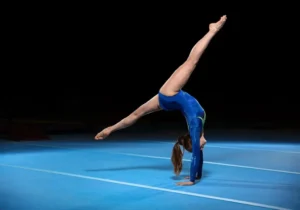
Gymnast Wrist Treatment in Raleigh, NC
What is Gymnast Wrist?
Gymnast wrist, medically known as distal radial epiphysitis or distal radial physeal stress syndrome, is a common overuse injury affecting young athletes who perform repetitive weight-bearing activities on their wrists. This condition primarily affects the growth plate (physis) of the distal radius in skeletally immature athletes.
Who Gets Gymnast Wrist?
Gymnast wrist most commonly affects:
– Females between 8 and 15 years of age, with peak incidence between 9 and 13 years
– Gymnasts, particularly those performing on pommel horse, floor, and parallel bars
– Other athletes including divers, rock climbers, and weightlifters
– Up to 88% of gymnasts report wrist pain at some point in their training
Understanding the Injury Mechanism
During gymnastics, the wrist experiences repetitive compressive and shearing forces in an extended position. The distal radius bears approximately 80% of the axial load during upper extremity weight-bearing activities, placing the growth plate at significant risk for injury.
Symptoms and Clinical Presentation
Athletes with gymnast wrist typically experience:
Primary Symptoms:
– Chronic wrist pain on the radial (thumb) side
– Pain worsened by wrist-loading movements and hyperextension
– Pain that may persist even at rest in advanced cases
– Mild swelling around the wrist
– Decreased range of motion
Physical Examination Findings:
– Tenderness to palpation over the distal radial epiphyseal plate
– Pain with hyperextension and axial wrist loading
– Reduced grip strength compared to the unaffected side
Diagnosis
Imaging Studies
Plain Radiography (First-Line):
Anteroposterior and lateral wrist radiographs can reveal:
– Widening or haziness of the distal radial epiphyseal plate
– Cystic or sclerotic changes
– Palmar spurring of the metaphysis
– Positive ulnar variance (distal articular surface of the ulna is more than 2.5 mm distal to the articular surface of radius)
MRI (When Needed):
MRI is typically unnecessary but may be used for patients with negative radiographs and high clinical suspicion. MRI findings include:
– Paraphyseal edema
– Irregular widening of the epiphyseal plate
– Detailed visualization of ligaments and triangular fibrocartilage complex
Treatment Options
Conservative Management (First-Line Treatment)
The primary treatment approach for gymnast wrist includes:
1. Activity Modification and Rest
– Complete abstinence from wrist-loading activities for 4 to 6 weeks
– Decrease upper extremity weight-bearing until pain resolves (may take up to 3 months)
– Gradual return to activity based on symptom resolution
2. Immobilization
– Short arm splint immobilization during the initial healing phase
– Thumb spica immobilization may be used in some cases
– Bracing to limit wrist hyperextension can reduce forces through the radial physis
3. Pain Management
– Nonsteroidal anti-inflammatory drugs (NSAIDs) for pain relief and inflammation control
– Ice application after activities during recovery phase
4. Physical Therapy
Physical therapy plays a crucial role in recovery by:
– Improving flexibility deficits in wrist and hand muscles
– Strengthening smaller stabilizing muscles of the wrist and hand
– Addressing biomechanical issues that may have contributed to injury
– Gradual progression to sport-specific movements
Wrist Bracing for Prevention and Treatment
Specialized wrist braces with volar gel pads have shown effectiveness in:
– Reducing wrist pain by 53.5% during training activities
– Limiting wrist hyperextension to decrease forces on the radial physis
– Preventing injury progression when worn during early symptoms
– Serving as an adjunct to other treatment strategies
Studies demonstrate that wrist braces are most effective when implemented early, before significant injury occurs, to minimize the development of pain-provoked adaptive movement patterns.
Return to Sport Timeline
Expected Recovery Timeline
Initial Rest Phase: 4 to 6 weeks
– Complete abstinence from wrist-loading activities
– Wrist immobilization in short arm splint
– Focus on pain management and inflammation control
Rehabilitation Phase: 6 weeks to 3 months
– Gradual decrease in upper extremity weight-bearing restrictions
– Progressive physical therapy
– Continued use of protective bracing
Full Recovery: Up to 3 months
– Pain resolution required before full return to sport
– Gradual reintroduction of gymnastics-specific activities
– Continued monitoring for symptom recurrence
Factors Affecting Recovery
Recovery time may be influenced by:
– Severity of physeal injury on imaging
– Duration of symptoms before treatment initiation
– Compliance with activity restrictions
– Age and skeletal maturity of the athlete
– Training intensity and skill level
Long-Term Considerations and Prognosis
Potential Complications
If left untreated or inadequately managed, gymnast wrist can lead to:
– Distal radial physeal arrest (premature growth plate closure)
– Positive ulnar variance development
– Chronic wrist pain and functional limitations
– Degenerative conditions affecting long-term wrist function
– Ulnar impaction syndrome
Importance of Early Diagnosis
Early diagnosis and appropriate treatment are critical for:
– Promoting quicker recovery and faster return to play
– Preventing long-term complications
– Minimizing time lost from training and competition
– Maintaining athlete quality of life
Prevention Strategies
To reduce the risk of gymnast wrist:
– Implement proper training progression and avoid sudden increases in intensity
– Use protective wrist bracing during high-risk activities
– Ensure adequate rest and recovery between training sessions
– Address early symptoms promptly before injury progression
– Maintain proper technique and biomechanics during wrist-loading activities
– Regular monitoring by sports medicine professionals for young gymnasts
When to Seek Specialist Care
Athletes should be referred to a hand specialist or sports medicine physician if:
– Symptoms persist despite 6 weeks of conservative treatment
– Severe pain limits daily activities
– Radiographic findings show significant physeal changes
– Concern for growth plate arrest or other complications
– Recurrent symptoms after initial recovery
Conclusion
Gymnast wrist is a common but manageable overuse injury in young athletes. With appropriate diagnosis, conservative treatment including rest, immobilization, NSAIDs, and physical therapy, most athletes can expect good outcomes. The key to successful treatment is early recognition, adequate rest periods (4-6 weeks minimum), and gradual return to activity. Protective bracing and proper training modifications can help prevent recurrence and allow young gymnasts to continue their sport safely.
Why Choose Dr. Chambers for Hand and Wrist Care
At Raleigh Orthopaedic Clinic, Dr. Stephen Chambers specializes in hand and upper extremity surgery. With years of expertise in treating hand and wrist injuries, including Gymnast Wrist Treatment. Dr. Chambers provides comprehensive care—ranging from at home treatments and injections to advanced hand surgery when needed. Patients trust Dr. Chambers and his team for personalized care, effective treatment options, and excellent outcomes and describe Dr. Chambers as a caring, attentive, and skilled surgeon with excellent bedside manner. His amazing team ensures every patient feels supported and informed throughout the process.
If you are experiencing hand pain, swelling, or difficulty with wrist movements, don’t wait for symptoms to worsen. Schedule an Appointment with Dr. Chambers today to Gymnast Wrist Treatment. and get back to normal use of your hand . Experience the benefit of specialized hand care close to home at Raleigh Orthopaedics in Raleigh, Cary, Holly Springs, and Wake Forest, North Carolina.