
Hand Surgeon vs Orthopedic Surgeon
Hand Surgeon vs. Orthopedic Surgeon: What’s the Difference?
All hand surgeons are trained orthopedic surgeons — but not all orthopedic surgeons are hand surgeons. Here is what the extra year of fellowship training means for your care, which conditions specifically benefit from a hand specialist, and why you do not need a referral to book directly.
Hand Surgeon vs. Orthopedic Surgeon — The Core Distinction
All hand surgeons are trained as orthopedic surgeons (or in some cases plastic surgeons) first. The difference is what happens after residency: a hand surgeon completes an additional one-year subspecialty fellowship focused exclusively on the hand, wrist, elbow, and forearm. This means a hand surgeon brings all of a general orthopedic surgeon’s training plus a dedicated year of subspecialty experience in the most anatomically complex region of the musculoskeletal system.
A general orthopedic surgeon treats the entire body — hip replacements, knee reconstructions, spinal procedures, shoulder surgery, ankle fractures, and everything in between. A hand surgeon treats one region in extraordinary depth.
General Orthopedic Surgeon: 4 years medical school + 5 years orthopedic residency = 9 years training. Treats the entire musculoskeletal system.
Fellowship-Trained Hand Surgeon: 4 years medical school + 5 years orthopedic residency + 1 year hand & upper extremity fellowship = 10 years training. Treats hand, wrist, and elbow exclusively. Depth of experience in upper extremity conditions is substantially greater.
When to See a Hand Surgeon vs. General Orthopedic Surgeon
For hand, wrist, and elbow conditions specifically, a fellowship-trained hand surgeon is the right first stop. The anatomy in this region is intricate enough that depth of subspecialty experience directly affects outcomes. The most commonly cited reasons:
Complexity of Hand Anatomy
The hand contains 27 bones, 29 joints, more than 30 muscles, 3 major peripheral nerves (median, ulnar, radial), 2 arterial arches, and a remarkable network of intrinsic tendons — all in a volume smaller than a paperback book. The margin for error in diagnosis and surgical technique is correspondingly small. A general orthopedic surgeon operating across the entire musculoskeletal system simply cannot maintain the volume of hand cases needed to develop and preserve the surgical precision these procedures require.
Conditions With Narrow Treatment Windows
Several hand conditions have strict treatment windows that require rapid specialist involvement:
- Distal biceps rupture: 3-week surgical repair window
- Jersey finger: 7–10 day repair window
- Flexor tendon laceration: ideally repaired within 24 hours
- Replantation: 6–12 hours
For these conditions, direct access to a hand surgeon — not through a chain of referrals — is essential.
Conditions Commonly Misdiagnosed Without Subspecialty Expertise
- Scaphoid fracture (20% invisible on initial X-ray — dismissed as sprain)
- UCL thumb tear with Stener lesion (requires surgery; often managed as simple sprain)
- Radial tunnel syndrome vs. lateral epicondylitis (different conditions, different treatments)
- Cubital tunnel syndrome co-existing with medial epicondylitis (missed in the majority)
- PIP fracture-dislocation (complex hand surgery problem mismanaged as a “jammed finger”)
About Dr. Chambers
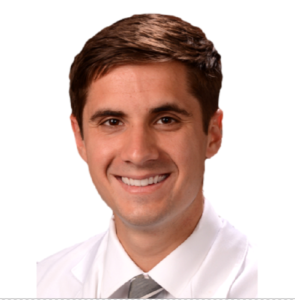
Dr. Stephen Chambers is dual board-certified in Orthopedic Surgery and Hand Surgery. He completed his orthopedic residency at the Campbell Clinic — one of the most prestigious programmes in the country — before his Hand and Upper Extremity fellowship at the University of Pittsburgh Medical Centre.
He is a member of the American Society for Surgery of the Hand (ASSH) — the premier subspecialty organisation for hand surgeons — and sees patients exclusively for hand, wrist, and elbow conditions at Raleigh Orthopaedic. He sees every patient personally at every visit.
He treats patients at four Triangle locations: Raleigh (3001 Edwards Mill Rd), Cary (6715 McCrimmon Pkwy), Holly Springs (781 Avent Ferry Rd), and Wake Forest (11200 Governor Manley Way). No referral needed. Same-day appointments available.
Insurance & Access
Raleigh Orthopaedic accepts most major insurance plans. No referral letter is required — you can book directly. For patients who have been seen at urgent care or the emergency department for a hand or wrist injury, specialist follow-up with Dr. Chambers within 3–5 days is appropriate and does not require a GP referral. See When to See a Hand Surgeon →
Frequently Asked Questions
A hand surgeon is an orthopedic surgeon (or plastic surgeon) who has completed an additional 1-year fellowship specifically in hand and upper extremity surgery after residency. This means a hand surgeon has all the training of an orthopedic surgeon plus an extra year focused exclusively on the hand, wrist, elbow, and forearm. A general orthopedic surgeon covers the entire musculoskeletal system — hip, knee, spine, shoulder, foot — and typically does not have the subspecialty depth in hand and upper extremity surgery that a fellowship-trained hand surgeon does.
For hand, wrist, and elbow conditions, a fellowship-trained hand surgeon provides a higher level of subspecialty expertise than a general orthopedic surgeon in most cases. The hand is the most anatomically complex region of the musculoskeletal system — 27 bones, 29 joints, 3 major nerves, 2 major arteries, and more than 30 muscles in a very small space. Conditions like carpal tunnel syndrome, trigger finger, De Quervain's, hand and wrist fractures, nerve injuries, and ligament reconstruction are best managed by a surgeon who operates on the hand and upper extremity exclusively.
A hand surgeon treats conditions of the hand, wrist, elbow, and forearm — everything from the fingertip to the elbow. This includes: carpal tunnel syndrome, trigger finger, Dupuytren's contracture, hand and wrist arthritis, fractures (finger, hand, wrist, elbow), tendon injuries, ligament tears, nerve compression and repair, ganglion cysts, and sports injuries of the upper extremity including UCL reconstruction, distal biceps repair, and TFCC reconstruction.
Dr. Stephen Chambers is both — he is a dual board-certified orthopedic surgeon and hand surgeon who completed a dedicated fellowship in Hand and Upper Extremity Surgery at the University of Pittsburgh Medical Centre after his orthopaedic surgery residency at the Campbell Clinic (one of the most prestigious residency programmes in the country). He is a member of the American Society for Surgery of the Hand (ASSH) and treats patients exclusively for hand, wrist, and elbow conditions at Raleigh Orthopaedic.
No referral is needed to see Dr. Chambers at Raleigh Orthopaedic. You can book directly online or call (919) 781-5600. Same-day and next-day appointments are routinely available at all four Triangle locations: Raleigh, Cary, Holly Springs, and Wake Forest. Most major insurance plans are accepted. Seeing the right specialist directly — rather than a GP first, then a general orthopedic surgeon, then a hand surgeon — is almost always the fastest path to an accurate diagnosis and effective treatment.
Fellowship-Trained Hand Surgeon. No Referral Needed.
Dr. Chambers sees patients directly for all hand, wrist, and elbow conditions.
Stephen Chambers, M.D.
Dual Board-Certified Hand & Upper Extremity Surgeon · Raleigh Orthopaedic