

PRP (Platelet-Rich Plasma) Injections
Platelet-rich plasma uses concentrated healing factors from your own blood to treat chronic tendon and joint problems — with strong evidence for tennis elbow and golfer's elbow.
What Is PRP?
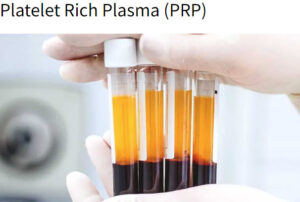
Platelet-rich plasma is a concentration of growth factors derived from your own blood. A blood sample is drawn, spun in a centrifuge to concentrate the platelets, and injected into the treatment area. The growth factors (PDGF, TGF-β, VEGF, IGF-1) stimulate the body's natural healing response in degenerated or chronically injured tissue.
Conditions Dr. Chambers Treats with PRP
- Tennis elbow (lateral epicondylosis): Strongest evidence — superior to cortisone at 6 and 12 months in multiple randomized trials
- Golfer's elbow (medial epicondylosis): Good evidence for chronic medial tendinopathy
- UCL partial tears: Emerging evidence for return to throwing without surgery in select athletes
- De Quervain's tenosynovitis: Alternative to cortisone in refractory cases
- Early wrist and hand arthritis: Some benefit for pain relief in early osteoarthritis
The PRP Procedure
- Blood drawn from your arm — standard blood draw
- Centrifuged 10–15 minutes to concentrate platelets
- Platelet-rich plasma layer prepared for injection
- Injection site cleaned — PRP injected, with ultrasound guidance where appropriate
- Entire process approximately 45 minutes in office
ⓘ PRP is prepared and injected in a single visit. Ultrasound guidance improves accuracy for deeper tendon and joint injections.
What to Expect After PRP
The PRP Flare (Days 1–3)
Most patients experience a significant increase in pain and soreness for 24–72 hours after PRP. This is expected and is part of the healing process — the growth factors trigger an acute inflammatory response that initiates tissue remodeling. Rest the area, apply ice, and take acetaminophen (Tylenol) for pain.
⚠ Avoid ALL NSAIDs (ibuprofen, naproxen, aspirin, diclofenac) for 2 weeks before and 6 weeks after PRP injection. NSAIDs suppress the exact inflammatory response that PRP is designed to trigger. Acetaminophen (Tylenol) is safe.
The Healing Window (Weeks 1–12)
PRP results develop gradually as growth factors stimulate tissue remodeling. Most patients notice significant improvement between 4 and 12 weeks after injection. Unlike cortisone (immediate relief), PRP works slowly and progressively — patience is required.
How Many Injections Are Needed?
Most conditions are treated with a single PRP injection. Dr. Chambers may recommend a second injection at 4–6 weeks for partial responders. Unlike cortisone, there is no strict limit on the number of PRP injections — they are biological and do not cause tissue damage with repeated use.
Insurance Coverage
Most insurance plans do not currently cover PRP injections for musculoskeletal conditions. Some FSA/HSA plans cover PRP — check with your plan administrator. Dr. Chambers's office can provide a detailed cost quote if needed.
Frequently Asked Questions
For chronic tendinopathy (tennis elbow, golfer's elbow), PRP is superior to cortisone at 6 and 12 months in head-to-head randomized trials. Cortisone provides better short-term (6-week) relief, while PRP provides more durable improvement over 6–12 months. For acute inflammation (trigger finger flares, joint pain), cortisone remains the first-line injectable. Dr. Chambers will recommend the most appropriate option based on your diagnosis and timeline.
Most patients can return to desk work the day after PRP injection. Manual work should be avoided for 3–5 days while the initial flare resolves. Throwing athletes and those performing sport-specific overhead activities follow a graduated return-to-activity program after PRP.
Studies show PRP results for tennis elbow last 12–24 months on average — significantly longer than cortisone. For many patients, a single injection provides long-lasting or permanent improvement. Dr. Chambers monitors your response and discusses repeat injection if needed.
Interested in PRP for Your Condition?
Dr. Chambers will discuss whether PRP is appropriate for you. No referral needed.
Stephen Chambers, M.D.
Dual Board-Certified Hand & Upper Extremity Surgeon · Raleigh Orthopaedic