
On-Site Hand Therapists & Rehabilitation
Raleigh Orthopaedic’s certified hand therapists work directly alongside Dr. Chambers across the Triangle — at the same locations where you receive your surgical care. Coordinated surgeon-to-therapist communication means your therapy starts with complete clinical context, not guesswork.
Why On-Site Hand Therapy Changes Outcomes
Hand therapy is not optional after hand and upper extremity surgery — it is half the treatment. Carpal tunnel release without post-operative nerve gliding and scar management produces worse outcomes. Tendon repair without precisely timed range-of-motion protocols risks adhesions that permanently limit finger motion. Fracture fixation without structured strengthening leaves patients with lasting weakness and stiffness.
What separates Raleigh Orthopaedic’s therapy program from sending patients to an external provider is direct surgeon-to-therapist communication. When Dr. Chambers operates, the on-site therapy team receives the operative note, specific precautions, timing restrictions, and functional goals — before your first therapy appointment. Your therapist knows exactly what was repaired, how it was protected, and what the progression should look like. That coordination is not available when therapy happens elsewhere.
Raleigh Orthopaedic’s hand and upper extremity therapy team includes Certified Hand Therapists (CHT) — occupational and physical therapists who have completed 4,000+ hours of specialized hand rehabilitation training and passed a rigorous national certification exam. CHTs are the highest credentialed therapists for hand surgery rehabilitation.
Therapy Services Available
Occupational Therapy
Restoration of functional hand use for activities of daily living, work tasks, and self-care. Custom orthosis (splint) fabrication, adaptive technique training, and return-to-work programs. The primary therapy discipline for hand and upper extremity rehabilitation.
Physical Therapy
Range-of-motion restoration, strength and endurance training, pain management, manual therapy, and modalities including ultrasound and electrical stimulation. Particularly important for elbow, shoulder, and post-fracture rehabilitation.
Sports Performance Training
Sport-specific return-to-play programs for athletes recovering from upper extremity injuries. Throwing mechanics assessment for baseball and softball pitchers. Grip and functional strength testing. Progressive sports-specific loading protocols.
Custom Orthosis Fabrication
On-site fabrication of custom thermoplastic splints and orthoses — protective post-operative splints, dynamic extension splints for tendon repairs, resting hand splints for inflammatory conditions, and functional wrist supports. Same-visit fabrication at most locations.
Nerve Rehabilitation
Sensory re-education after nerve repair or decompression, nerve gliding protocols for carpal and cubital tunnel rehabilitation, desensitization for hypersensitive scars and nerve repairs, and functional coordination training for recovering motor function.
Scar & Edema Management
Compression garment fitting, scar massage instruction and treatment, silicone gel application, ultrasound for scar tissue, and lymphatic drainage techniques for post-operative swelling. Addressing scar early prevents adhesions that limit motion.
Therapy Locations Across the Triangle
Raleigh Orthopaedic operates therapy clinics at multiple locations across Wake County — making it easy to attend therapy close to home or work while remaining within the same integrated care system as Dr. Chambers.
Holly Springs Physical Therapy
781 Avent Ferry Road
Holly Springs, NC 27540
Wakefield Physical Therapy
11200 Governor Manley Way
Wake Forest, NC 27614
Conditions Treated With Hand Therapy
Hand therapy is a core part of treatment — not an afterthought — for virtually every condition treated by Dr. Chambers. The following are the most common diagnoses referred for therapy:
Post-Operative Rehabilitation
- Carpal tunnel release: Nerve gliding, scar management, grip strengthening — 4–6 weeks. Learn more
- Trigger finger release: Range-of-motion, scar management — 2–4 weeks. Learn more
- Tendon repair (flexor or extensor): Precisely timed early motion protocol — 3–4 months. Learn more
- Fracture fixation (hand, wrist, elbow): Progressive motion and strengthening — 6–12 weeks. Learn more
- Dupuytren’s contracture release: Extension splinting, scar management, range-of-motion — 6–12 weeks. Learn more
- Nerve repair or decompression: Nerve gliding, sensory re-education, motor re-training — 3–12 months. Learn more
- Distal biceps repair: Protected motion, progressive strengthening — 4–6 months. Learn more
Non-Surgical Therapy
- Tennis and golfer’s elbow: Eccentric strengthening program — the most evidence-based non-surgical treatment. Learn more
- Carpal tunnel syndrome (non-operative): Nerve gliding, splinting, ergonomic training. Learn more
- De Quervain’s tenosynovitis: Thumb spica splinting, activity modification. Learn more
- Wrist sprains and TFCC injuries: Immobilization, progressive loading protocols. Learn more
- Pediatric fractures and sports injuries: Age-appropriate rehabilitation and return-to-sport programs. Learn more
Therapy timing is as important as therapy content. Starting range-of-motion too early after a tendon repair risks re-rupture. Starting too late risks adhesions. Dr. Chambers provides specific therapy start dates and progression milestones with every post-operative referral — therapists do not have to guess.
The Therapy Process at Raleigh Orthopaedic
Referral from Dr. Chambers
At your surgical or follow-up visit, Dr. Chambers provides a specific therapy referral with diagnosis, precautions, goals, and start timing — communicated directly to the therapy team.
Initial Evaluation
Your therapist performs a comprehensive evaluation: range of motion, strength, sensation, function, and pain. A personalised plan is created aligned with Dr. Chambers’ surgical goals.
Structured Treatment Program
Typically 1–3 sessions per week. Each session progresses according to clinical milestones — not a calendar. Custom splints fabricated same-visit when needed.
Co-ordinated Discharge
Your therapist communicates progress and final functional status to Dr. Chambers at your follow-up visit. Home exercise program provided for ongoing maintenance.
Frequently Asked Questions
In North Carolina, physical and occupational therapy can be accessed directly without a physician referral for the first 30 days (direct access). However, most insurance plans require a physician referral for coverage. Dr. Chambers provides a therapy referral at your visit, with specific therapy goals and precautions communicated directly to the therapist — so your therapist knows exactly what was done and what to protect.
A certified hand therapist (CHT) is an occupational or physical therapist who has completed a minimum of 5 years of clinical experience, 4,000 hours specifically in hand and upper extremity rehabilitation, and passed a rigorous certification examination. CHTs are the gold standard for post-operative hand therapy and are especially important after complex tendon repairs, nerve surgeries, and reconstructive procedures.
Duration depends entirely on the procedure: minor procedures (carpal tunnel release, trigger finger): 4–6 weeks. Fracture fixation or tendon repair: 3–4 months. Nerve repairs and major reconstructions: 6–12 months. Dr. Chambers and your therapist set clear functional milestones at each stage rather than a fixed time frame.
Hand therapy encompasses: custom splint and orthosis fabrication, edema (swelling) management, wound and scar management, range-of-motion exercises, tendon and nerve gliding protocols, progressive strengthening, sensory re-education, work hardening, and return-to-sport programs. The specific program depends entirely on your diagnosis, procedure, and goals.
Yes — Raleigh Orthopaedic has physical and occupational therapy at multiple Triangle locations including Raleigh, Cary, Holly Springs, Wakefield, Garner, Knightdale, and Clayton. Dr. Chambers coordinates care directly with the on-site therapy team — therapists receive surgical notes, specific precautions, and goals so that therapy begins with complete clinical context.
Questions About Hand Therapy After Surgery?
Dr. Chambers will discuss your therapy plan at every surgical consultation and post-operative visit. No separate referral process — it’s all co-ordinated in one place.
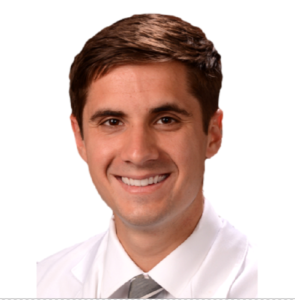
Stephen Chambers, M.D.
Dual Board-Certified Hand & Upper Extremity Surgeon · Raleigh Orthopaedic