Tennis Elbow Treatment in Raleigh, NC
Pain on the outside of the elbow that gets worse when you grip, lift, or shake hands? Tennis elbow is one of the most common elbow conditions — and 85–90% resolve completely without surgery.
What Is Tennis Elbow?
Tennis elbow (lateral epicondylitis) is degeneration of the extensor tendons — primarily the ECRB (extensor carpi radialis brevis) — at their attachment to the lateral epicondyle of the humerus. Despite the name, only 5% of cases occur in tennis players. Most cases develop from repetitive gripping and wrist extension activities at work — plumbers, painters, carpenters, and keyboard users.
The pathology is tendinosis (degenerative tendon changes) rather than true inflammation, which is why anti-inflammatory treatments alone are often insufficient for chronic cases.
ⓘ Tennis elbow is tendinosis — a degenerative tendon condition — not tendinitis. This is why prolonged rest and NSAIDs alone are often insufficient. Eccentric strengthening exercises and proper load management are the cornerstone of non-surgical treatment.
Risk Factors
Several factors increase the likelihood of developing this condition.
Manual Trades
Plumbers, painters, carpenters — most common group
Racquet Sports
Improper technique or grip size
Keyboard Use
Prolonged mouse and keyboard work
Age 35–55
Peak incidence
Sudden Activity Increase
Starting a new physical job or sport
Repetitive Gripping
Any repetitive wrist extension activity
Stages of Tennis Elbow
Recent onset. Rest, activity modification, and PT typically effective.
Persistent symptoms despite initial treatment. Tendinosis on imaging.
Failed conservative treatment. Significant functional limitation.
Diagnosis
Tennis elbow is diagnosed clinically. Cozen's test (resisted wrist extension with elbow straight) and the coffee cup test (pain lifting a full cup) are characteristic. Ultrasound or MRI confirm ECRB tendinosis and rule out radial tunnel syndrome, which mimics tennis elbow.
- ✓Cozen's test (resisted wrist extension)
- ✓Mills test (passive wrist flexion with elbow extended)
- ✓Maudsley's test (middle finger extension resistance)
- ✓Ultrasound or MRI for tendinosis confirmation
- ✓Evaluation for radial tunnel syndrome (more distal tenderness)
Treatment Outcomes & Statistics
Published outcome data to help you make an informed decision.
With appropriate non-surgical treatment over 12–18 months
Significant short-term relief — but may delay tendon healing
PRP injection shows superior results to cortisone at 6–12 months
Tennis elbow resolves spontaneously in 85–90% within 12–18 months
Complication Profile
| Complication | Rate | Severity | Notes |
|---|---|---|---|
| Cortisone — worse long-term | 10–15% | Moderate | Cortisone may inhibit tendon healing — inferior to PT at 1 year |
| PRP flare | 20% | Minor | 48–72h pain increase after PRP injection; expected |
| Recurrence | 20–30% | Moderate | Common if activity modification not maintained |
Source: Coombes et al., Lancet 2013; Mishra et al., AJSM 2006
Debridement of ECRB tendinosis — high success rate
Full return to manual work and sport
Low revision rate after complete ECRB release and debridement
Equivalent outcomes — arthroscopic allows inspection of elbow joint
Complication Profile
| Complication | Rate | Severity | Notes |
|---|---|---|---|
| Lateral elbow weakness | 10% | Minor | Temporary; resolved with therapy |
| Nerve irritation (posterior interosseous nerve) | <2% | Moderate | Careful technique prevents this |
| Infection | 1% | Minor | Rare with standard precautions |
| Persistent symptoms | 10–15% | Moderate | If tendinosis extends beyond ECRB |
Source: Dunn et al., J Shoulder Elbow Surg 2008; Lattermann & Romeo, J Shoulder Elbow
Treatment Options
Dr. Chambers will recommend the best approach based on your severity, goals, and lifestyle.
Physical Therapy & Eccentric Exercises
Eccentric strengthening of the wrist extensors is the most evidence-based treatment for tennis elbow. A proper PT program with progressive loading remodels the degenerated tendon tissue. Combined with counterforce bracing and activity modification.
PRP Injection
Platelet-rich plasma — concentrated growth factors from your own blood — is injected into the ECRB tendinosis. Superior to cortisone at 6 and 12 months in head-to-head trials. An excellent option for chronic tennis elbow failing PT.
ECRB Debridement & Release
The degenerated ECRB tendon tissue is surgically removed (debridement) and the tendon origin released. Performed open or arthroscopically. 85% good-to-excellent results in patients who have failed 6+ months of non-surgical treatment.
What to Expect During Recovery
Initial Treatment
Activity modification, counterforce brace, PT begins. NSAIDs for acute pain.
Progressive Loading
Eccentric strengthening program. Sport-specific training. PRP injection if not improving.
Return to Activity
Gradual return to sport and manual work. Counterforce brace for high-demand activities.
Full Resolution
85–90% of patients fully recover. Patience with the natural history is key.
Frequently Asked Questions
Almost certainly not — 85–90% of tennis elbow cases resolve without surgery over 12–18 months with appropriate non-surgical treatment. Surgery is reserved for the 10–15% of patients who have genuinely failed 6+ months of physical therapy, injections, and activity modification.
Cortisone injections provide better short-term (6-week) relief, but PRP is superior at 6 and 12 months. Multiple trials show cortisone may actually inhibit tendon healing and lead to worse outcomes at 1 year compared to PRP or physical therapy. Dr. Chambers recommends PRP for chronic tennis elbow where PT alone has not resolved symptoms.
Only about 5% of tennis elbow cases are caused by tennis. The condition is more accurately called lateral epicondylar tendinopathy. It is most common in manual workers (plumbers, painters, carpenters), keyboard users, and anyone who performs repetitive gripping with the wrist extended. The term "tennis elbow" is historical and misleading.
The natural history is 12–18 months to full resolution in most patients. This is frustratingly long, but 85–90% do fully recover without surgery if they stick with physical therapy and manage their activity levels appropriately. Patience and consistent therapy are key.
Outer Elbow Pain? Most Cases Resolve Without Surgery.
Dr. Chambers offers every proven tennis elbow treatment. No referral needed — same-day appointments available.
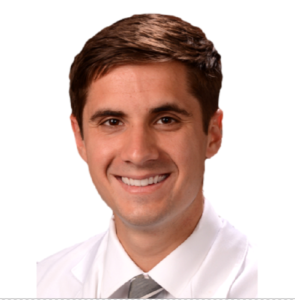
Stephen Chambers, M.D.
Dual Board-Certified Hand & Upper Extremity Surgeon · Raleigh Orthopaedic